

Roll over image to zoom in
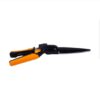
Hedge Share Ingco
₨ 2,450₨ 3,500 (-30%)
Hand pruners, also known as secateurs or pruning shears, are essential tools for gardeners and landscapers for cutting and trimming plants. Here’s some information about hand pruners:
- Types: Hand pruners come in two main types: bypass pruners and anvil pruners. Bypass pruners have two curved blades that slide past each other, similar to scissors, providing a clean and precise cut. Anvil pruners have a single straight blade that cuts against a flat surface, which is ideal for cutting through thicker branches but may crush delicate stems if not used properly.
- Blade Material: The blades of hand pruners are typically made from hardened steel, which ensures sharpness and durability. Some pruners have coated blades to reduce friction and prevent sap buildup, making cutting easier.
- Handle Design: Hand pruners have handles with ergonomic designs that provide a comfortable grip and reduce hand fatigue during prolonged use. Handles may be made from materials like plastic, rubber, or metal, with cushioned grips for added comfort.
- Cutting Capacity: Hand pruners come in different sizes and cutting capacities to accommodate various types of plants and branches. Smaller pruners are suitable for cutting thin stems and branches, while larger ones can handle thicker branches up to a certain diameter.
- Safety Features: Many hand pruners are equipped with safety features such as locking mechanisms to keep the blades closed when not in use, preventing accidents and injuries.
- Maintenance: Proper maintenance is essential to keep hand pruners in good working condition. This includes regular cleaning to remove sap and debris, sharpening the blades when necessary, and oiling the moving parts to prevent rust and corrosion.
- Uses: Hand pruners are versatile tools used for a variety of tasks in the garden, including pruning dead or diseased branches, shaping shrubs and hedges, harvesting fruits and vegetables, and cutting flowers for arrangements. They are also useful for cutting back perennials and removing spent blooms to encourage new growth.
- Storage: When not in use, hand pruners should be stored in a dry place away from moisture to prevent rusting. Some pruners come with protective sheaths or cases for safe storage and transport.


Reviews
There are no reviews yet.