
Roll over image to zoom in
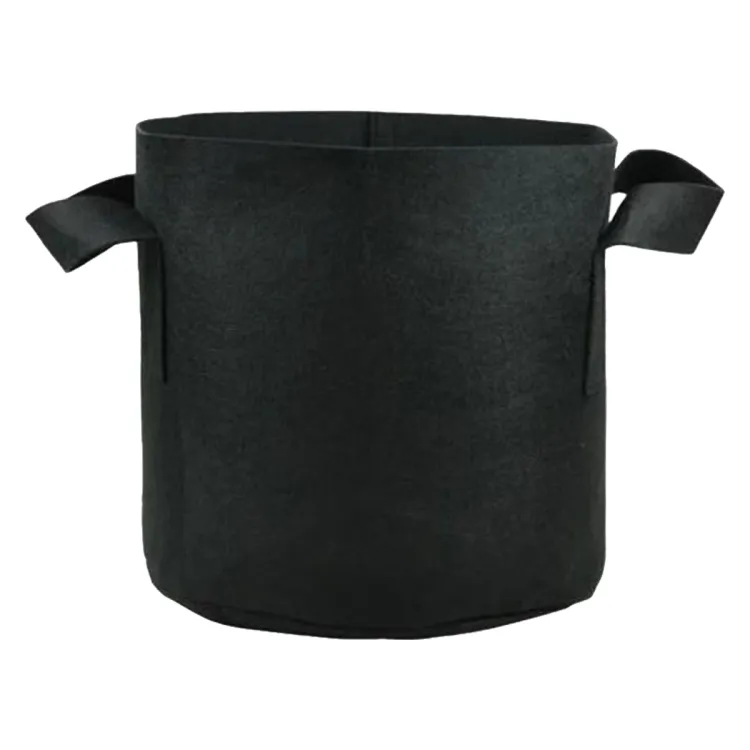
Grow bag – Growing bag
₨ 60 – ₨ 990 (-25%)
Growing bags are containers designed for cultivating plants, particularly in situations where traditional gardening beds or pots are not feasible. Here are some details about growing bags:
- Material: Growing bags are typically made of breathable, sturdy fabric such as polyethylene or polypropylene. This material allows for proper aeration and drainage, crucial for healthy root development.
- Sizes: They come in various sizes to accommodate different types of plants and their root systems. Common sizes range from small bags for herbs and flowers to larger ones for vegetables and shrubs.
- Design: Growing bags are usually cylindrical or rectangular in shape. Cylindrical bags are often used for single plants like tomatoes, peppers, or dwarf fruit trees, while rectangular bags may be used for multiple plants or for lining along pathways in a garden.
- Drainage: Proper drainage is essential for plant health, so growing bags typically have pre-made drainage holes at the bottom. This prevents waterlogging, which can lead to root rot.
- Portability: One advantage of growing bags is their portability. They can be easily moved around to optimize sunlight exposure or to protect plants from harsh weather conditions.
- Reusable: Many growing bags are reusable, especially if they are made of durable materials. After each growing season, they can be emptied, cleaned, and stored for future use.
- Usage: Growing bags are suitable for various gardening environments, including balconies, patios, rooftops, and small yards. They are particularly useful in urban gardening where space is limited.
- Growing Medium: Growing bags are filled with a growing medium such as potting mix or a specialized soil blend tailored to the specific needs of the plants being grown. This medium should be well-draining and nutrient-rich.
- Versatility: Growing bags can be used for a wide range of plants, including vegetables, herbs, flowers, and even small trees or shrubs. They provide a versatile option for gardeners to experiment with different crops.
- Maintenance: Regular watering and occasional fertilization are necessary for plants grown in growing bags. Monitoring soil moisture levels and ensuring adequate nutrients will help plants thrive.
Additional information
| size | 15 gallon, 2 gallon, 24*12, 35 gallon, 36*12, 45 gallon, 5 gallon, 65 gallon, 7 gallon |
|---|

Reviews
There are no reviews yet.