
Roll over image to zoom in
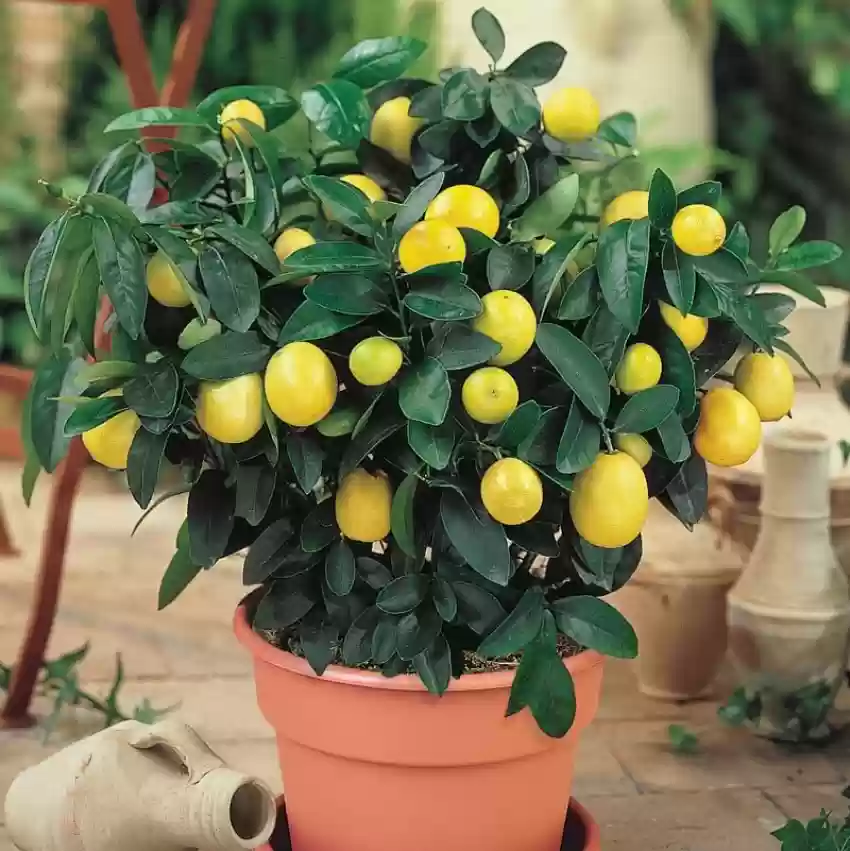
LEMON – لیموں – FRUIT PLANTS
₨ 800 – ₨ 2,000
Title: Growing Chinese, Lisbon, and Seedless Lemon Plants: A Zesty Adventure in Your Garden
Lemons, renowned for their vibrant flavor and culinary versatility, are a fantastic addition to any garden. At Plant.pk, we offer the opportunity to cultivate your own Chinese, Lisbon, and Seedless Lemon Plants, ensuring a bountiful harvest of zesty fruits right in your garden. This comprehensive guide covers everything from planting and care to the fruiting process, common pests and diseases, and the art of harvesting lemons.
Plantation:
- Location: Select a sunny spot in your garden with well-draining soil. Lemon trees thrive in full sun, so ensure they receive at least 6-8 hours of sunlight daily.
- Spacing: Plant your lemon trees approximately 10 to 12 feet apart to allow ample room for growth and spread.
- Soil Preparation: Lemon trees prefer slightly acidic soil (pH 6.0-6.5). Ensure the soil is well-draining and enriched with organic matter.
- Planting: When planting your lemon tree, position the root ball level with the soil surface. Water thoroughly after planting.
Care:
- Watering: Maintain consistent moisture in the soil, avoiding waterlogging. Water deeply when the top inch of soil feels dry, particularly during hot and dry periods.
- Fertilization: Apply a balanced fertilizer with a 6-6-6 or 8-3-9 NPK ratio in spring, summer, and early fall.
- Mulching: Apply mulch around the base of the tree to retain moisture, regulate soil temperature, and suppress weed growth.
- Pruning: Regularly prune your lemon tree to maintain its shape, eliminate dead or diseased branches, and enhance air circulation within the canopy.
Fruiting:
- Flowering: Lemon trees typically bloom in spring, followed by the emergence of small green fruits.
- Fruit Development: Lemons require several months to mature, influenced by the variety and local climate. Fruits will ripen, turning either yellow or remaining green based on the specific type.
Pests and Diseases:
- Common Pests: Lemon trees may encounter aphids, scale insects, and citrus leafminers. Routinely inspect your tree for signs of infestation and apply suitable pesticides or insecticidal soap as necessary.
- Citrus Diseases: Monitor for citrus canker and citrus greening disease, common issues that can impact lemon trees. Employ appropriate treatments to safeguard your tree’s health.
Harvesting:
- Fruit Appearance: Harvest lemons when they attain a bright, lemony yellow hue. Ripe lemons exhibit firmness and possess a glossy skin.
- Harvesting Technique: Carefully twist ripe lemons from the tree or use pruning shears for removal from branches.
- Ripening: Lemons do not continue to ripen once harvested. Store them at room temperature briefly or refrigerate to prolong shelf life.
- Storage: Refrigerate ripe lemons for several weeks. Alternatively, juice and freeze lemons for extended preservation.
Additional information
| Plant Varity | Chaina, Hybrid, Seedless |
|---|


Reviews
There are no reviews yet.